NDT Methods for Large Diameter Pipe Fittings
Non-Destructive Testing (NDT) methods for large diameter pipe fittings are important quality control steps that make sure industrial parts meet strict standards for safety and performance. However, these inspection methods examine butt-welded steel elbows, reducers, flanges, and tees without hurting the parts themselves. NDT methods detect internal flaws, surface flaws, and material variations that could weaken a system in high-pressure situations. Following the right NDT methods can help prevent major breakdowns and keep things in line with ASME, ASTM, and ISO standards in many different industries.
Understanding Large Diameter Pipe Fittings and Their Inspection Needs
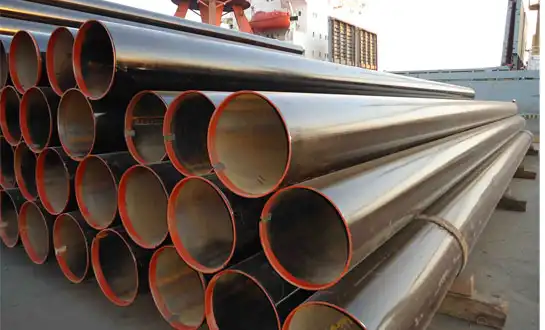
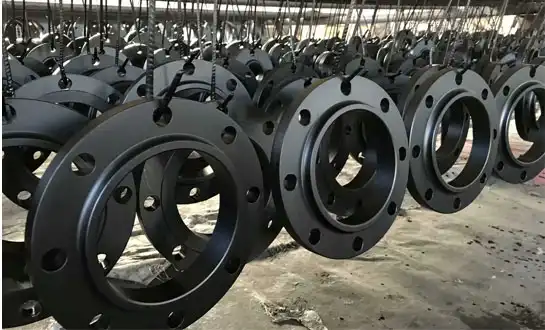
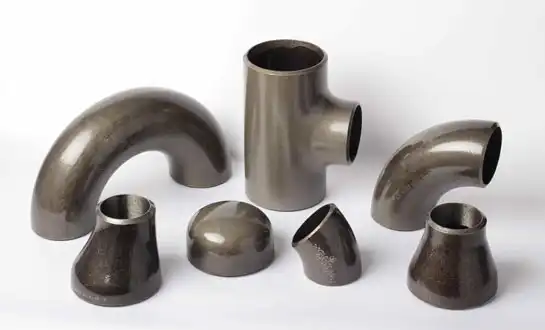
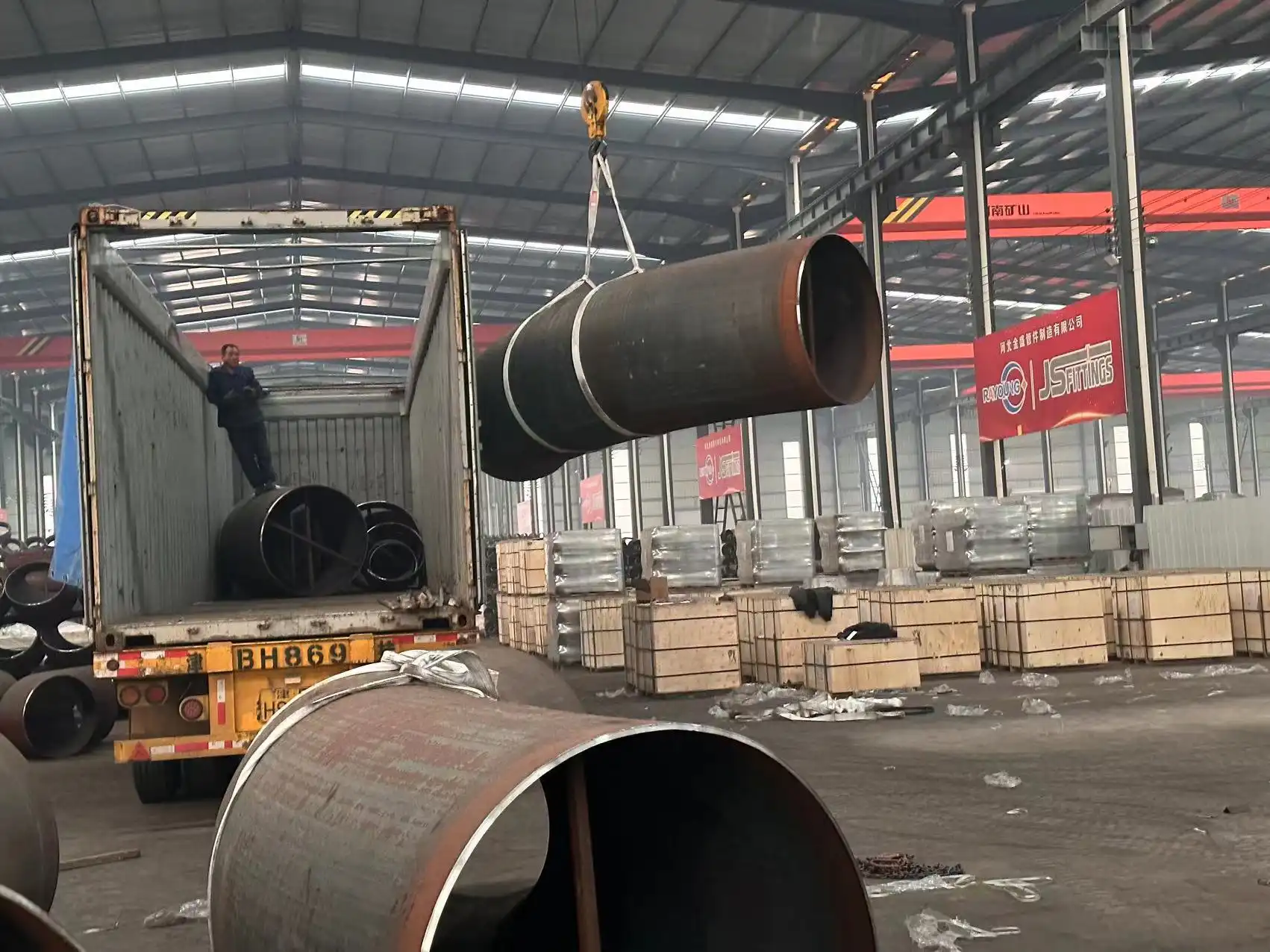
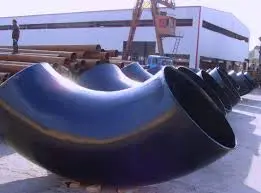
Large diameter industrial components form the backbone of critical infrastructure systems around the world. These essential elements include elbows, which change the flow lines, tees, which make branch connections, reducers, which change the pipe sizes, and flanges, which let you remove joint connections. Carbon steel, stainless steel, and metals made for specific environments are some of the materials used in manufacturing.
The fact that these components are so important to keeping the system safe and running smoothly is why they need to be inspected. Material qualities have a big impact on how defects form. For example, carbon steel components can rust and crack under stress, while stainless steel versions may have sensitization problems in areas that are heated. Understanding these material-specific weaknesses helps inspectors come up with the best inspection strategies and helps buying teams set the right quality standards.
Common Failure Modes in Large Diameter Components
Industrial experience shows that there are a few common types of failure that NDT methods need to be able to handle well. Weld-related flaws, like partial fusion, porosity, and hydrogen-induced cracking that weaken the joint, are the most common cause for worry. These problems usually happen during the production process when the welding settings are outside of the recommended ranges or when contaminants are introduced by the environment.
Another big problem is corrosion, which happens a lot when components are exposed to harsh media or weather conditions. Over time, stress corrosion cracking (SCC), uniform metal loss, and pitting corrosion can happen. These problems need to be checked on a regular basis to avoid sudden breakdowns. The ways that materials break down depend on how they are used, so choosing the right inspection method and regularity are very important when planning upkeep.
Material Considerations for Inspection Planning
Different materials react differently to different NDT techniques, so it's important to choose the right way based on the component's requirements. Magnetic particle testing works well on ferromagnetic materials like carbon steel, while other methods, such as dye penetrant testing, are needed to find flaws on the surface of non-ferromagnetic materials like stainless steel. Changes in wall thickness affect how well ultrasonic testing works. For example, thicker parts require higher frequencies and special probe setups.
Several types of inspection are affected by the quality of the surface finish. For example, rough or highly rusted surfaces can hide flaws when inspected visually or get in the way of electromagnetic testing. Understanding these relationships between materials and methods helps quality assurance teams come up with thorough inspection plans that find defects as quickly and cheaply as possible.
Overview of Common NDT Methods for Large Diameter Pipe Fittings
The selection of appropriate inspection methods relies on a lot of things, like the type of defect, the qualities of the material, and how easy it is to get to the inspection area. Traditional NDT methods are mixed with new tools in modern NDT methods to provide full quality testing capabilities. Each method has its own pros and cons that must be carefully thought through during the planning stages of an inspection.
Visual inspection is the most basic way to check for quality issues because it gives you instant feedback on things like surface conditions, dimensional compliance, and clear production flaws. With this method, you don't have to spend a lot of money on tools, and you can quickly screen parts to see which ones need more testing. However, Visual inspection can't always detect subsurface flaws or give an exact idea of how bad a defect is.
Ultrasonic Testing Applications
Ultrasonic testing is the most flexible NDT method for big diameter pipe fittings, and it is especially good at finding flaws inside thick-walled parts. Pulse-echo methods use high-frequency sound waves that bounce back from defect surfaces to give accurate information about where and how big a flaw is. Electronic beam steering and focusing are made possible by advanced phased array systems. This lets you look at complicated shapes in great detail without having to move the probe around a lot.
The technology is very good at finding plane flaws like cracks, delaminations, and lack of fusion that are very dangerous to the structure. Modern ultrasound systems have advanced data analysis software that makes it easier to describe flaws accurately and lessens the variation in how inspectors read them. Digital data storage helps with regulatory paperwork needs and trend analysis, which are important for key infrastructure uses.
Ultrasound is also useful for measuring thickness, which lets you get accurate wall thickness readings for checking for rust and figuring out how much life is left. Having this ability is especially helpful for parts that work in harsh conditions where metal loss could damage the system over time.
Radiographic Testing Capabilities
Radiographic testing uses penetrating rays to find internal cracks and make sure that large-diameter parts are structurally sound. X-ray and gamma ray sources make shadow pictures that show changes in density that are caused by holes, inclusions, and other volumetric flaws. Digital X-ray machines improve picture quality while cutting down on exposure times and the amount of film processing that needs to be done.
This method creates lasting records that can be used for long-term trend research and regulatory compliance. Advanced picture processing skills make it easier to see defects and allow computers to help with analysis, which lowers the chance of mistakes made by humans. Radiation safety rules, on the other hand, require specialized training, restricted areas, and detailed safety rules, all of which make inspections more difficult and expensive.
Surface Testing Methods
Using magnetic fields and iron particle markers, magnetic particle tests can find flaws on the surface and close to the surface of ferromagnetic materials. This method is very good at finding cracks, splits, and other linear breaks that you might miss when looking at something with the naked eye. Fluorescent particle systems make things more sensitive when ultraviolet light is present, which makes it easier to see flaws and gives inspectors more trust.
Dye penetrant tests can also find flaws on the surface of non-ferromagnetic materials by using capillary action to pull colored penetrants into flaws that break the surface. After that, the developer application draws penetrant from defects to make visual marks that show where the flaws are and how big they are. Both MT and PT are highly cost-effective surface inspection methods that require minimal equipment while delivering exceptionally reliable results.
Comparing NDT Techniques for Large Diameter Pipe Fittings: How to Choose the Best Method?
To choose the best method, you need to carefully consider a lot of different things that affect how well the check works and how much it costs. The qualities of the material decide which techniques can be used. For example, magnetic methods work well with ferromagnetic materials, but they don't work well with non-ferromagnetic alloys. Component geometry and usability issues often make it hard to choose the best method, especially for complicated forms or tight installation spaces.
The need for flaw detection has a big impact on the choice of method. Surface techniques work well for finding small flaws, but volumetric methods are needed for checking the soundness of the whole wall. For finding problems inside, you need to use ultrasound or X-rays, but for checking the surface, you can use visual, magnetic particle, or penetrant tests.
Cost-Effectiveness Analysis
Economic factors include the starting cost of the equipment, the ongoing costs of running it, and the number of inspections that can be done at once. While visual inspection is highly cost-effective and requires minimal specialized equipment, it cannot detect subsurface defects as comprehensively as modern ultrasonic or radiographic systems. Different methods have very different training needs. For example, basic visual inspection requires minimal certification, while radiographic testing needs a lot of safety training and following the rules.
The speed of inspection has an impact on the overall cost of the project. This is especially true for large-scale buying tasks that need to verify parts quickly in order to meet delivery deadlines. Ultrasonic systems that are automated can check many parts at once, while radiography methods that are done by hand need to handle each part individually and have longer exposure times.
Regulatory Compliance Requirements
Minimum checking requirements for pipe fittings are set by industry guidelines and depend on how important the application is and how it is being used. The ASME rules say what parts of pressure vessels must be inspected and how they must be accepted, while the API standards specify requirements for pipeline components and their inspection. Knowing the relevant codes ensures that inspection methods meet the necessary standards and avoid extra tests that add to costs without improving safety.
Different industries and uses have different documentation needs. For example, the nuclear and aerospace industries need full traceability, while business uses may be able to handle simpler reporting forms. Digital inspection systems make it easier to keep track of compliance documents and support data analysis tools that make quality management more effective.
Best Practices for Implementing NDT in Large Diameter Pipe Fitting Procurement
For NDT to be implemented successfully, it needs to be carefully planned so that it takes into account technical needs, provider abilities, and practical limits. Setting clear acceptance criteria stops disagreements and makes sure that quality standards are the same across all providers and inspection sites. Written processes should spell out the ways to check, what needs to be covered, and the standards for documents that are in line with the project's requirements and any relevant codes.
Qualifying suppliers is a key part of success that requires a close look at their professional skills, certifications, and how well their quality system works. Suppliers with a good reputation keep accurate records of their work and have the right certifications from well-known organizations that approve businesses. Regular checks make sure that ongoing compliance is being met and look for ways to improve things that are good for everyone.
Quality Assurance Protocol Development
Effective quality assurance methods include inspections at all stages of the buying process, from the initial screening of suppliers to the final testing of acceptance. Getting suppliers involved early on makes it possible for everyone to work together to come up with inspection plans that find defects more quickly and cheaply. Communication on a regular basis makes sure that review standards stay in line with changing project needs and new rules.
Inspection schedules must be carefully integrated with manufacturing workflows and delivery timelines, allocating sufficient time for comprehensive evaluations. Rushed inspections frequently compromise thoroughness and significantly increase the risk of late-stage rejections, which inevitably leads to severe project delays. These problems can be avoided with good planning, which also keeps quality standards high, which is important for long-term system stability.
Digital Data Management Systems
Modern inspection data management systems improve the efficiency of quality assurance by keeping detailed records and enabling statistical analysis. Paper documents are safer when they are stored digitally, and they can be quickly retrieved for regulatory checks or warranty reviews. Automated data analysis finds trends that help with efforts to improve things all the time and evaluate the performance of suppliers.
Integration with corporate resource planning tools speeds up the purchase process and makes sure that inspection results have the right effect on buying choices. Real-time data access lets problems be fixed quickly, which stops faulty parts from getting into stock or reaching installation sites.
Case Studies and Industry Insights: Successful NDT Applications in Large Diameter Pipe Fittings
Comprehensive NDT programs are useful in the real world because they keep things from breaking down and make sure they follow the rules. Ultrasonic testing found stress corrosion cracking (SCC) in stainless steel pipe fittings before they broke, which kept a city water treatment plant from flooding badly. During the check, many cracks were found that needed to be replaced right away to keep service running smoothly and avoid damage to the environment.
In a different case, phased array ultrasound testing was used to make sure that the welds in large diameter reducer fittings were still strong in a natural gas transportation system. The check found underground porosity that was higher than what was acceptable. This meant that parts had to be replaced before the system was pressurized. This proactive method stopped any possible gas leaks and made sure that all the rules were followed during the launching process.
Emerging Technology Trends
Better inspection speed and better flaw discovery sensitivity are made possible by new automation technologies that are changing the way NDT works. Robotic screening systems can move through complicated shapes while keeping the position and speed of their probes constant. Algorithms that use artificial intelligence look at inspection data to find small trends of defects that humans might miss. This makes inspections more reliable overall.
Digital twin technologies let you plan a virtual check that finds the best places to put probes and the best ways to scan them before the real testing starts. This method cuts down on review time while still making sure that all the important places where problems are most likely to happen are checked. When production data is added, it gives defect classification more context, which improves its accuracy.
Conclusion
NDT methods for big diameter pipe fittings provide important quality assurance tools that keep industrial systems from failing catastrophically and make sure they follow the rules. When choosing the right checking methods, you need to carefully think about the features of the material, the types of defects, and the limitations of the system. To make execution work, you need to plan carefully, hire the right people, and set up strong data management tools that support efforts to keep getting better. Modern technologies keep improving checking skills while lowering costs and making it more reliable to find defects in a wide range of industry settings.
FAQ
Q1: What NDT method works best for detecting internal defects in large steel pipe fittings?
When it comes to finding flaws inside big steel parts, phased array ultrasound testing is the best method. Compared to traditional ultrasound methods, this technology is better at penetrating and accurately describing flaws. The Electronic beam steering features allow for thorough inspection of complicated shapes while keeping the fast inspection speeds needed in production settings.
Q2: Can magnetic particle testing detect defects in stainless steel components?
How well magnetic particle testing works depends on how magnetic the object is. Austenitic stainless steels (300 series) are not magnetic, so they can't be checked with magnets. While ferritic and martensitic stainless steels exhibit magnetic properties suitable for magnetic particle testing, their sensitivity may be reduced compared to carbon steel applications.
Q3: How do I ensure my supplier complies with NDT requirements?
Verifying supplier compliance needs more than one method, such as reviewing certifications, conducting audits, and keeping an eye on performance. Check the NDT process documents and staff certifications to make sure the technical skills are correct. Do regular audits to check how well the quality system is working, and watch inspections to make sure that procedures are being followed. Keep data records of test results to find trends in performance and ways to make things better.
Q4: What inspection frequency should be used for large diameter pipe fittings?
How often something needs to be inspected relies on how important the application is, how it is used, and what the rules say. For example, 100% checking may be needed for critical safety systems, but random sampling may be fine for business uses. ASME and API codes set basic inspection standards for different uses, which can be used as a starting point for figuring out how often inspections should be done.
Partner with RAYOUNG for Comprehensive NDT Solutions and Premium Pipe Fitting Supply
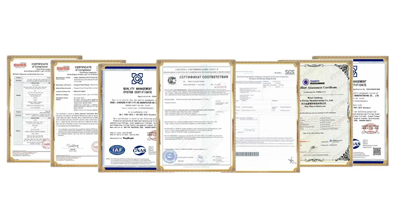
RAYOUNG has a lot of experience with NDT and a lot of manufacturing skills, so they can make superior pipe fittings that meet the highest quality standards. Our ISO 9001:2015 certified quality management system ensures consistent product excellence while GOST-R and SGS certifications validate export compliance across global markets. The company has smart relationships with licensed NDT service providers that use cutting-edge inspection technologies like digital radiography and phased array ultrasonics. Our professional team can help you choose the right inspection procedures and acceptance standards for your project, whether you need buttweld steel elbows, reducers, flanges, or other custom fittings. Contact our engineering experts at info@hb-steel.com to discuss your specific pipe fitting requirements, and discover how our rigorous quality assurance protocols and advanced NDT capabilities can protect your investment and ensure total regulatory compliance.
References
1. American Society of Mechanical Engineers. "ASME Boiler and Pressure Vessel Code Section V: Nondestructive Examination." ASME International, 2019.
2. Cartz, Louis. "Nondestructive Testing: Radiography, Ultrasonics, Liquid Penetrant, Magnetic Particle, Eddy Current." ASM International, 2018.
3. Hellier, Charles J. From 2020 to 2021, McGraw-Hill Education will publish "Handbook of Nondestructive Evaluation, Third Edition."
4. American Institute of Petroleum. "API Standard 598: Valve Inspection and Testing." 2016 by the American Petroleum Institute.
5. Mix, John E. 2017: John Wiley & Sons published "Introduction to Nondestructive Testing: A Training Guide, Second Edition."
6. Dwyer-Joyce, Rob S. "Ultrasonic NDT Techniques for the Inspection of Large Diameter Steel Pipes and Fittings." Journal of Nondestructive Evaluation, Vol. 38, 2019.

Need a quote? Want to see samples? Just say hello. We’re friendly. We’re fast. And we’re ready when you are.
Welcome to RAYOUNG – Strong Pipes, Stronger Promise