Helium Leak Testing for Critical Pipe Connections
The best way to make sure that important pipe connections are safe is to use helium leak testing. This method uses helium's special molecular features to find tiny leaks that other methods miss. This advanced testing method makes sure that pipe fittings are safe to use in harsh industrial settings where even a small leak can cause major safety problems, environmental damage, or expensive downtime. Helium leak testing is used by industrial, pharmaceutical, and power generation plants to make sure that connections are reliable and that they meet strict regulatory requirements. This complete guide talks about how important it is to test for leaks to make sure that pipe systems used in harsh industrial settings are safe and intact. It turns out that helium leak testing is the best way to find even the smallest leaks because it is so accurate and reliable. Our target audience is made up of global B2B players like buying managers, engineers, distributors, and original equipment manufacturers (OEMs) who are looking for strong solutions that lower risk and meet strict quality standards. The information here is meant to help people make smart choices about what to buy, which will build trust in high-quality testing methods and products.
Understanding Helium Leak Testing and Its Role in Pipe Fittings
Helium leak testing uses helium gas as a tracer to find leaks very accurately by taking advantage of its unique features, such as its small atomic size and lack of chemical activity. Helium's molecular diameter of about 2.6 angstroms allows it to pass through extremely small openings, making the method suitable for detecting leaks as small as approximately 1×10⁻¹² atm·cm³/s. This level of accuracy is many times higher than what is possible with normal testing methods.
Fundamental Methodology and Detection Principles
To test for helium leaks, helium gas is introduced into the test component, and a mass spectrometer detector is used to identify helium molecules escaping through potential leak paths. It works by ionising helium atoms and sorting them into groups based on how much mass they have compared to their charge. This method gives exact measures of the leak rate that allow accurate evaluation of connection health.
In ideal situations, modern helium leak detectors can detect leaks as small as approximately 5×10⁻¹² atm·cm³/s. During the testing process, the test chamber is usually evacuated, helium is introduced into the component being tested, and specialised sensing equipment is used to monitor helium leakage. This method works especially well for checking threaded connections, welded joints, and compression fittings, where normal pressure tests might not show tiny leak tracks.
Comparison with Traditional Leak Detection Methods
There are a lot of problems with the sensitivity and dependability of traditional leak discovery methods like pressure decay tests and soap bubble methods. Pressure decay testing usually finds leaks that are bigger than 1×10⁻³ atm·cm³/s. Soap bubble testing, on the other hand, needs leak rates bigger than 1×10⁻⁵ atm·cm³/s to make bubbles that can be seen. These levels are still not good enough for important uses where small leaks add up over time to cause big problems.
With helium tests, you can find things more accurately than with these other methods. The method gives numbers instead of subjective "pass/fail" answers, which lets you look at trends and plan ahead for maintenance. Additionally, helium testing is useful for inspecting complex geometries and internal connections that cannot be visually inspected directly.
Pipe Fitting Types and Leak Susceptibility
Different pipe fittings are more or less likely to break depending on how they were made and how they were installed. Threaded fittings depend on thread contact and sealant application to keep leaks from happening. This means that they can be damaged by bad installation or sealant degradation. Leaks can happen in welded joints because of poor penetration, porosity, or stress cracks. For flanged connections to work, the gasket needs to be compressed, and the bolt force needs to be even. For compression fittings, the ferrule needs to be deformed correctly for the seal to be reliable.
Key Factors in Helium Leak Testing for Critical Pipe Connections
Making sure that pipe connections don't leak lowers a lot of safety, environmental, and practical risks, and stricter testing rules are becoming more and more necessary to meet legal requirements. There is more and more pressure on industrial sites to show that their connections are solid by following written testing methods that meet industry standards like ASME Section V Article 10 and ASTM E493.
Safety and Environmental Risk Mitigation
Leak prevention through testing reduces several industrial safety and operational risks. Hazards include exposure to toxic chemicals, flammable materials, and pressure-related incidents that can damage equipment or injure personnel. Breaking pollution laws, contaminating rivers, and being fined millions annually are environmental dangers.
Leaks that go undetected affect the economy beyond tangible losses. Fugitive emissions from leaks cost industries $50,000 to $500,000 a year in lost product and compliance expenses, according to studies. Helium leak testing can detect these issues early, before they become too costly to address through proactive maintenance and quality assurance.
Common Failure Modes and Root Causes
Most pipe connection failures are caused by old materials, fitting errors, or severe operating forces. Material degradation mechanisms, including corrosion, erosion, and thermal cycling, can generate microscopic cracks or surface irregularities. Installation issues, including improper force, filthy sealing surfaces, and misaligned threads, reduce sealing efficacy.
Rapid pressure fluctuations, thermal expansion, and vibration can damage seals over time or lead them to fail. Knowing these potential issues helps factories create testing programs that target transportation system weaknesses.
Comprehensive Testing Procedures and Acceptance Criteria
Helium leak testing procedures must consider part shape, usage, and performance to define acceptability requirements. Testing usually involves planning, conducting, and interpreting results. Preparation includes cleaning, setting up fixtures, and checking calibration to ensure accurate measurements.
The execution phase includes helium pressure, thermal balance, and systematic scanning or accumulation testing. Helium is progressively accumulated in a sealed environment using accumulation methods, whereas probe-based detection finds leak locations in scanning procedures. Both approaches provide leak rate data for comparison to standards.
Practical demands, safety margins, and regulatory norms must be considered while setting acceptance criteria. Most industrial applications specify acceptable leak rates in the range of approximately 1×10⁻⁶ to 1×10⁻⁹ atm·cm³/s, depending on the application and fluid characteristics.
Choosing the Right Pipe Fittings for Helium Leak Testing and Industrial Use
Choosing the right materials and fittings has a big impact on how well leak tests work and how reliable they are in the long run. The connection between the properties of a material and how well it performs in tests affects both the original qualification standards and the ongoing upkeep needs. By knowing about these connections, you can make smart choices about what to buy that will improve performance and lower total costs.
Material Compatibility and Performance Characteristics
Because of their low gas permeability and strong contamination resistance, stainless steel fittings perform well in helium leak testing applications. Grades 316 and 316L are the best at resisting rust and keeping their sealing surfaces in tough working situations. Because carbon steel surfaces may retain contaminants and surface roughness more easily, carbon steel components require careful surface preparation and may exhibit higher background helium signals.
Brass and copper valves work well with helium, but they may experience galvanic rust when connected to metals that are not the same. These materials work well in clean service situations where there isn't much chance of rusting. Plastic pipe fittings made of PVC and CPVC let different amounts of helium through, which can change the results of long-term tests, especially when the tests need to be held for a long time.
Size and Pressure Rating Considerations
Both the measuring method and the sensitivity standards are affected by the size of the fitting. Because screening large amounts of surface is not possible, accumulation testing methods are usually needed for large-diameter fittings. Small-diameter fittings can either use scanning or accumulation methods, based on how easy they are to reach and how sensitive they need to be.
Pressure ratings influence the development of testing parameters and acceptance criteria. Because there is more force pushing for leaking in high-pressure situations, leak rate limits need to be stricter. To prove that something works as planned, it needs to be tested in different ways for Class 150, 300, and 600 grades.
Certification and Quality Assurance Benefits
Certified pipe fittings offer recorded tracking and performance proof, which lowers the risk of purchasing and speeds up the quality assurance process. Getting ISO 9001:2015 certification makes sure that quality control systems and manufacturing methods are always the same. Material approvals like EN 10204 Type 3.1 confirm the chemical make-up and mechanical properties of a substance, which helps engineers do their work and makes sure they follow the rules.
Long-term performance trustworthiness is affected by a brand's image and the track record of its suppliers in a big way. Well-known companies usually have strict quality control measures in place and offer technical help that makes installation and upkeep easier. These factors are especially important for important uses where failure of a component can have very bad results.
Comparing Helium Leak Testing with Other Leak Detection Methods
Traditional ways of finding leaks, like soap bubble or pressure decay tests, often have problems, such as giving fake numbers or not being sensitive enough. Knowing these limits helps factories choose the right testing methods for their needs and uses.
Sensitivity and Accuracy Comparison
Pressure decay testing is effective for identifying relatively large leaks but is less sensitive to leaks smaller than approximately 1×10⁻³ atm·cm³/s. To obtain reliable data, the test often requires extended monitoring periods, and temperature variations or system instability can produce false readings. Mass flow tests can improve sensitivity to approximately 1×10⁻⁴ atm·cm³/s, but this is still insufficient for many critical applications.
Soap bubble testing can find leaks visually, but it cannot accurately quantify them, and detectable leak rates are typically larger than approximately 1×10⁻⁵ atm·cm³/s. Conditions in the environment, like wind, temperature, and humidity, have a big impact on how bubbles form and how clear they are. The method works well for checking for large leaks, but it can't promise that a tight link will work.
Helium leak testing achieves detection sensitivities several orders of magnitude better than these traditional approaches. The quantitative nature of helium testing enables trend analysis, acceptance criteria development, and predictive maintenance planning that qualitative methods cannot provide.
Repeatability and Reliability Analysis
When the right steps are taken, helium leak testing is very repeatable, with measurement errors usually being less than 20%. This makes it possible to compare test results in a useful way over time and between sites or operators. Due to differences in operator skill, environmental factors, and equipment limits, traditional ways often show a lot more variation.
The fundamental detection principles and advanced instrumentation used in helium leak testing make the method highly reliable. Mass spectrometer monitors give accurate, stable readings that can be linked to national standards. This makes sure that the results are the same in all testing sites and at all times.
Cost-Benefit Analysis and ROI Considerations
When compared to standard methods, helium leak testing needs more expensive equipment up front. However, the long-term cost savings often make up for this. Stopping just one big leak can save hundreds of thousands of dollars in cleaning costs, fines from the government, and lost production. Helium testing provides quantitative data that supports informed decisions regarding maintenance scheduling and component replacement.
When figuring out the return on an investment, you should include the costs of not finding leaks, following the rules better, and making the product better. Many factories say that helium leak testing programs pay for themselves in 18 to 24 months when they do a full cost study that takes into account all the important factors.
Procurement Insights: Buying Pipe Fittings Compatible with Helium Leak Testing
To choose the best pipe fittings for helium leak testing, you need to make sure that the product details match the needs of the business and the testing standards. This makes sure that choices about buying support both short-term performance needs and long-term maintenance goals.
Supplier Evaluation and Selection Criteria
To make sure that all the value is delivered, suppliers should be judged on their professional skills, quality processes, and customer service. Technical skills include manufacturing accuracy, material management, and testing knowledge that have a direct effect on how well a product works. Quality systems like ISO 9001:2015 and AS9100 make sure that processes are always the same and that they are always getting better.
With leak-test-ready parts, being able to provide service support is essential for long-term success. Suppliers should offer expert support to help with choosing the right program, installation, and fixing problems when they come up. Training programs for engineering and support staff are very useful because they make sure that the right steps are taken for installation and testing.
Warranty and After-Sales Support Considerations
Full insurance coverage should cover both material flaws and efficiency problems under certain conditions of use. To avoid disagreements during important upkeep times, warranty terms should make it clear when coverage ends, what is covered, and how to fix problems. Performance warranties that promise leak rate standards give more peace of mind for important uses.
After-sales help includes being able to respond quickly to pressing needs, offering technical advice, and having replacement parts on hand. Global sellers usually have service centres in different regions that offer local help while using centralised technical knowledge.
Logistics and Supply Chain Management
Effective logistics planning takes into account things like when to send, how to package, and how to keep track of supplies so that activities don't stop. Managing lead times is especially important for specialised fittings that may require longer production schedules. Strategically placing your goods can cut down on the time it takes to buy things and help you get the most out of your working capital.
The way fitting sealing surfaces and threads are packed and handled should keep them from getting damaged while they are being shipped and stored. Protective caps, the right padding, and keeping the surroundings safe all help keep the quality of the product high from the time it is made until it is installed.
Conclusion
Helium leak testing is the most accurate and reliable way to check the health of important pipe connections in industrial settings. This technology is essential for applications where leak prevention directly affects safety, environmental compliance, and operational efficiency. It is better at finding leaks, gives more accurate measurements, and provides detailed records. When procurement professionals know how to choose the right fittings and how well the tests work, they can make choices that will improve long-term performance while still meeting instant operational needs.
FAQ
Q1: What sensitivity levels can helium leak testing achieve for pipe connections?
Helium leak tests can detect leaks as small as approximately 5×10⁻¹² atm·cm³/s under controlled laboratory conditions. In field applications, practical detection sensitivity is typically around 1×10⁻⁹ to 1×10⁻¹⁰ atm·cm³/s. Traditional methods of checking pressure are three to five orders of magnitude less sensitive than this one. This makes it possible to find tiny leaks that could grow into big problems over time.
Q2: Can all types of pipe fittings undergo helium leak testing?
Helium leak checking can be done on most types of industrial pipe fittings, such as threaded, welded, flanged, and compression types. Material fit issues come up with very thin materials or when a lot of helium passes through them. To take into account the effects of helium absorption and desorption on plastic fittings, test methods may need to be changed, or stabilisation times may need to be stretched.
Q3: How do leak rate standards relate to regulatory compliance requirements?
Leak rate standards are different for each business and application. For critical applications, acceptable leak rate criteria are commonly in the range of approximately 1×10⁻⁶ to 1×10⁻⁹ atm·cm³/s. Regulatory compliance often talks about these standards in a roundabout way, like by mentioning performance standards or limits on environmental emissions. To make sure they always follow the rules, many facilities set private standards that are stricter than the bare requirements set by the government.
Partner with RAYOUNG for Superior Pipe Fitting Solutions and Leak Testing Excellence
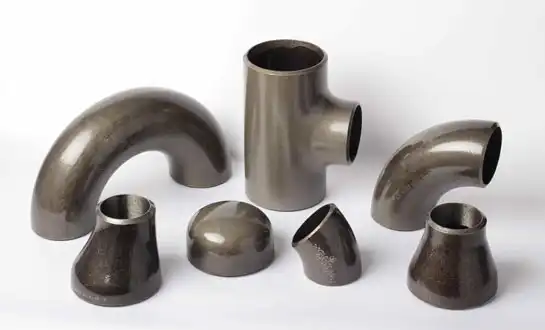
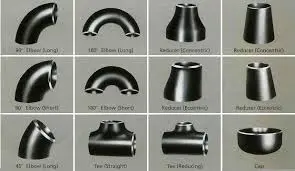
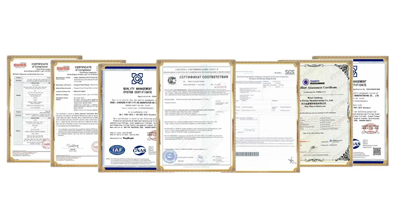
For industrial uses that need leak-proof pipe connections, it's important to work with experienced providers who know how to test products and make sure they meet quality standards. RAYOUNG offers complete pipe fittings solutions backed by GOST-R and SGS certifications that make sure quality and export compliance. Our wide range of products includes buttweld steel elbows, steel reducers, and flanges that are designed to make connections that are safe and work well with helium leak testing methods. We are a reliable company that makes pipe fittings, so we keep our ISO 9001:2015 certification and offer expert support to help buying teams choose the best parts for their needs. Email our engineering team at info@hb-steel.com to talk about your needs and find out how our proven knowledge can help you make your system more reliable and improve the results of your tests.
References
1. American Society of Mechanical Engineers. ASME Boiler and Pressure Vessel Code Section V: Nondestructive Examination, Article 10 - Leak Testing. New York: ASME Press, 2021.
2. ASTM International. ASTM E493-16: Standard Practice for Leaks Using the Mass Spectrometer Leak Detector or Residual Gas Analyser in the Tracer Probe Mode. West Conshohocken: ASTM International, 2016.
3. British Standards Institution. BS EN 1779:1999 Non-destructive testing - Leak testing - Criteria for method and technique selection. London: BSI Standards Limited, 1999.
4. International Organisation for Standardisation. ISO 20485:2017 Non-destructive testing - Leak testing - Tracer gas method. Geneva: ISO Publications, 2017.
5. Nondestructive Testing Handbook, Third Edition: Leak Testing. Columbus: American Society for Nondestructive Testing, 2019.
6. Vacuum Technology and Vacuum Design Handbook for Accelerator Technicians. Stanford Linear Accelerator Center Technical Publications, 2018.

Need a quote? Want to see samples? Just say hello. We’re friendly. We’re fast. And we’re ready when you are.
Welcome to RAYOUNG – Strong Pipes, Stronger Promise